From Zero to Launch: Nepal’s Homegrown Music Platform
Built the full-stack experience for SongsNepal, a Spotify-style platform for Nepali artists and listeners, covering every touchpoint from user app to admin tools.
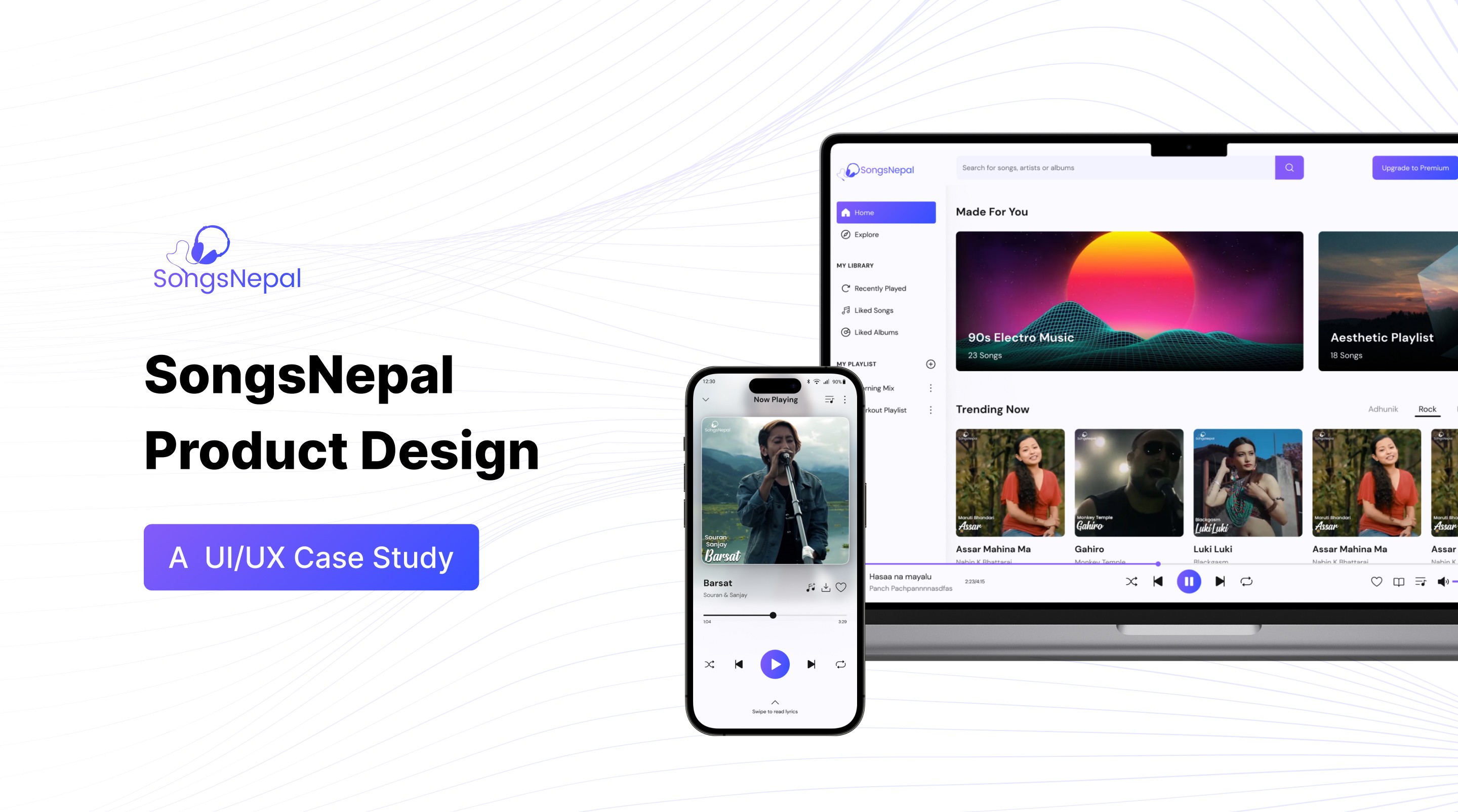
Project Overview
SongsNepal, founded in the late 2000s, is a leading Nepali music and entertainment company with 2M+ YouTube subscribers and a strong presence in music videos, movies, and promotions.
Problem
Despite being a big name in the Nepali music industry, SongsNepal lacked a dedicated website or mobile app. This gap limited their ability to engage audiences, showcase offerings, and keep up in the digital era.
Solution
Build a robust online presence through user-friendly web and mobile apps that create a seamless experience for artists and listeners while supporting the organization’s growth.
Stack



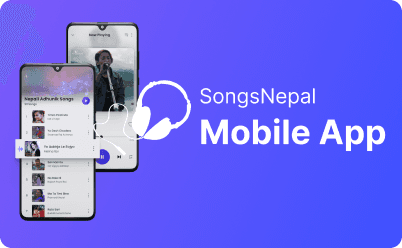
What did I design?
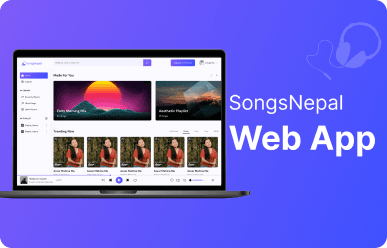
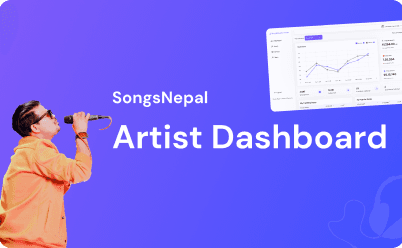
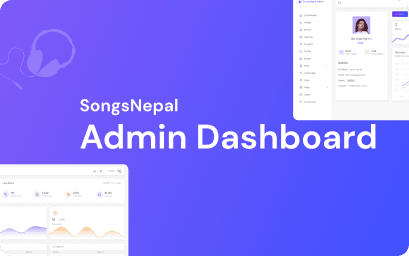
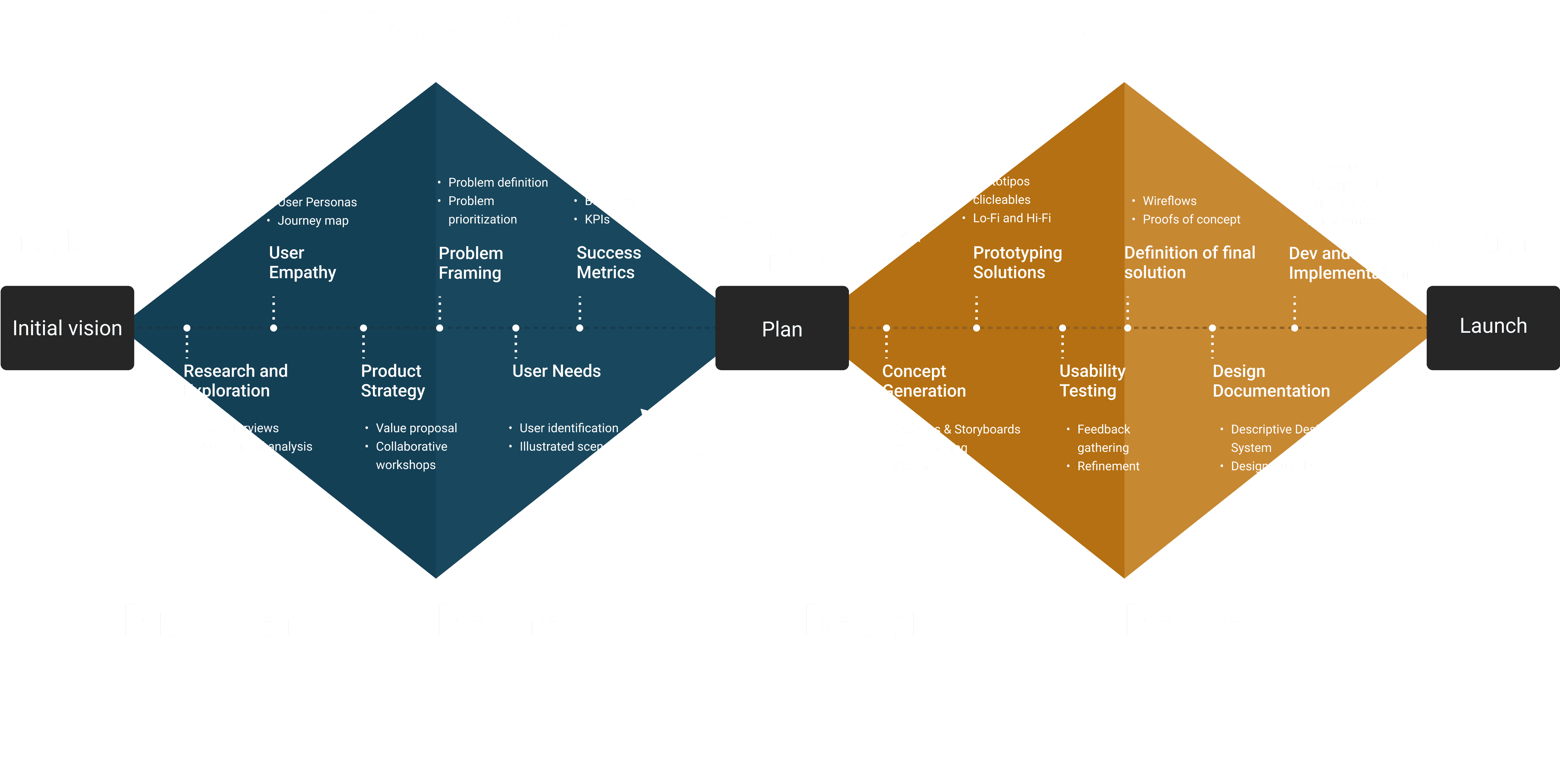
Design Process
Using the Double Diamond process, I moved from research and problem-framing to ideation and polished solutions, keeping both artists and listeners at the heart of the design.
The 'Discover' Phase
This exploration phase focused on identifying project needs and building a clear understanding of the target audience and market. My goal was to uncover user motivations, listening habits, and pain points with existing streaming services.
To do this, I conducted:
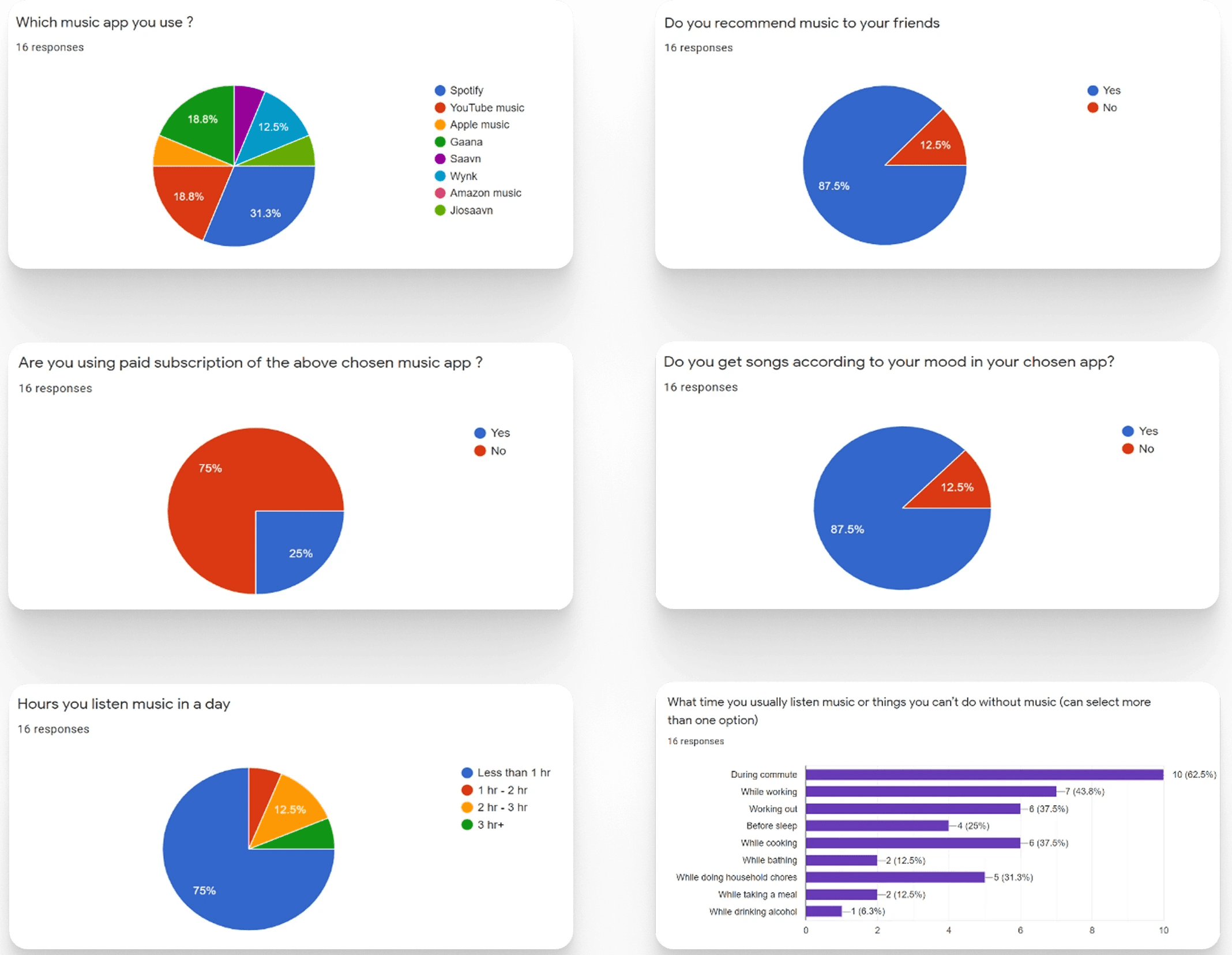
Surveys & interviews with ~40 colleagues, friends, and followers to gather insights on music discovery habits, preferred features, and frustrations.
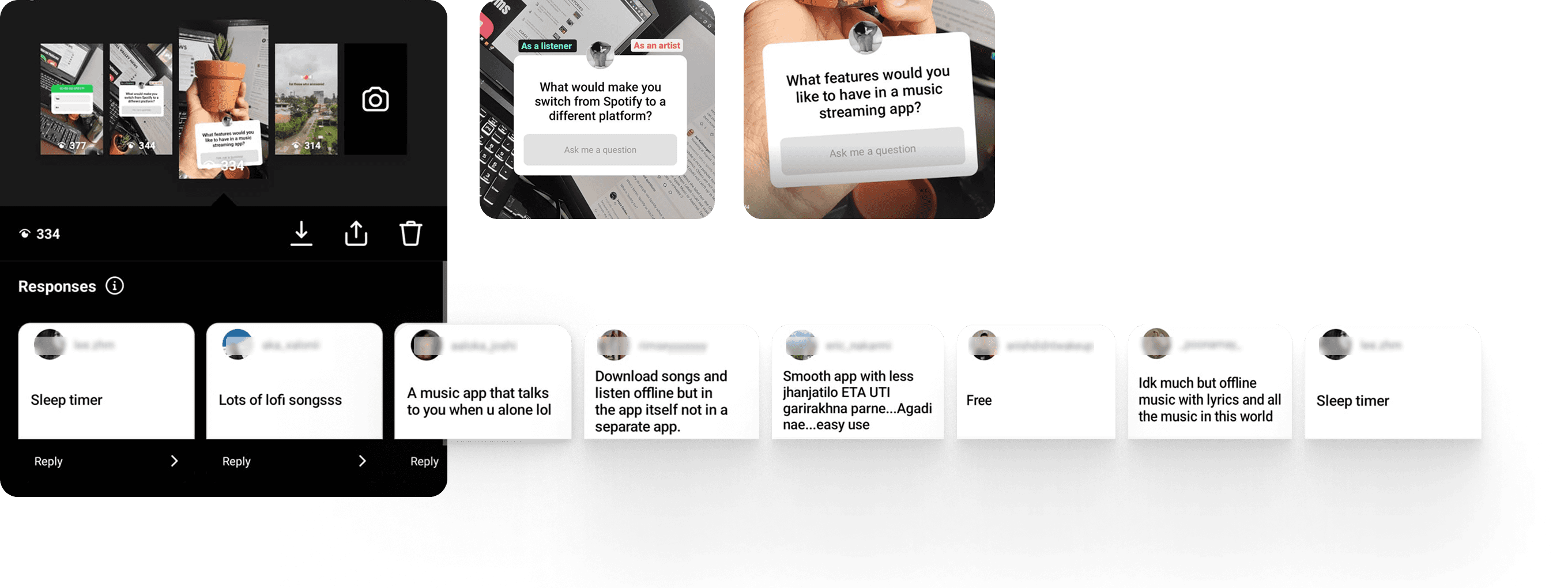
Social media polls on Instagram to expand input and validate findings with a wider audience.
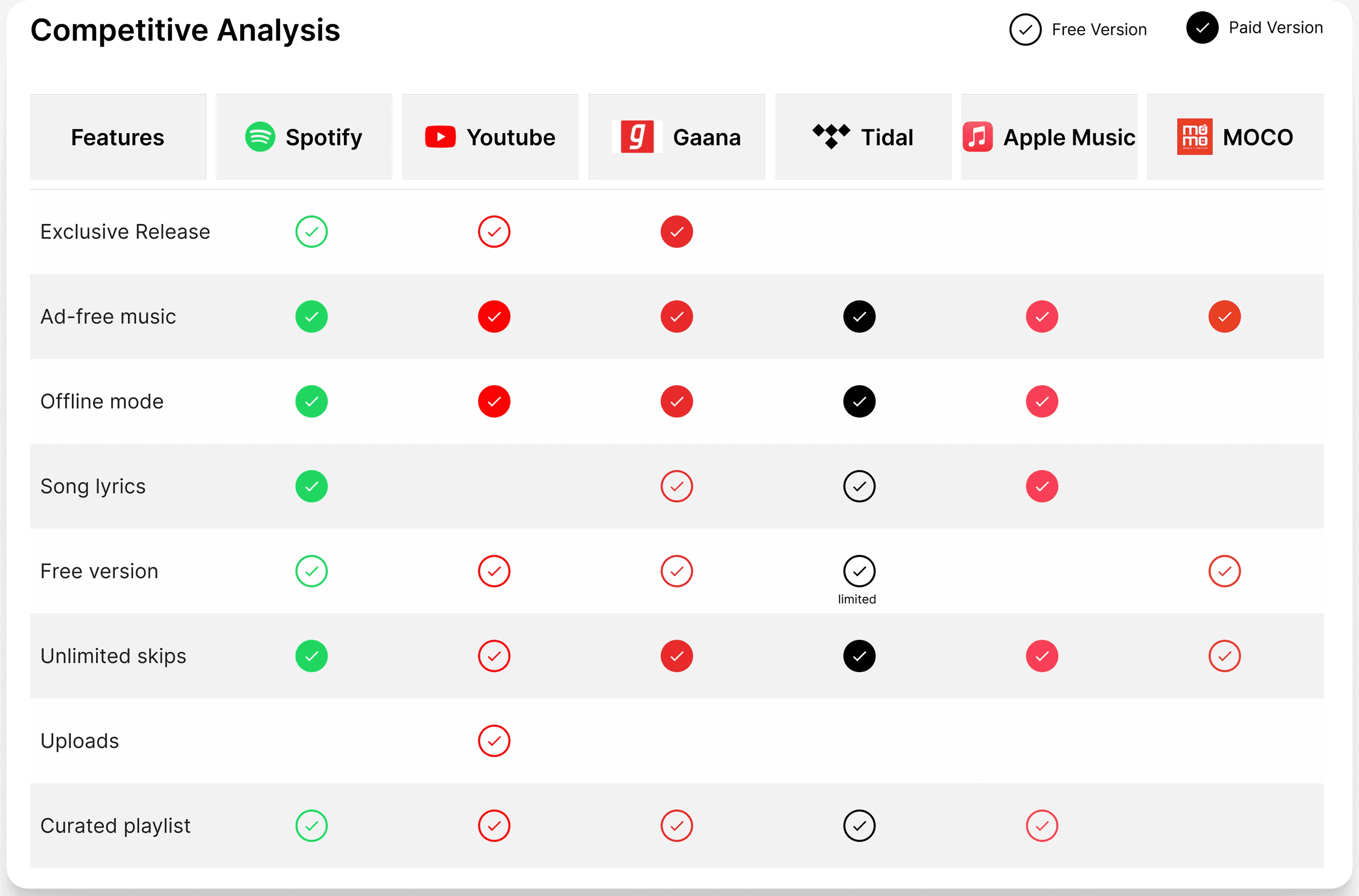
Competitive analysis of major music platforms, examining their strengths, weaknesses, user reviews, and market trends to better understand customer expectations and gaps in the industry.
These insights formed the foundation for designing a product tailored to both listener expectations and industry demands.
User Personas
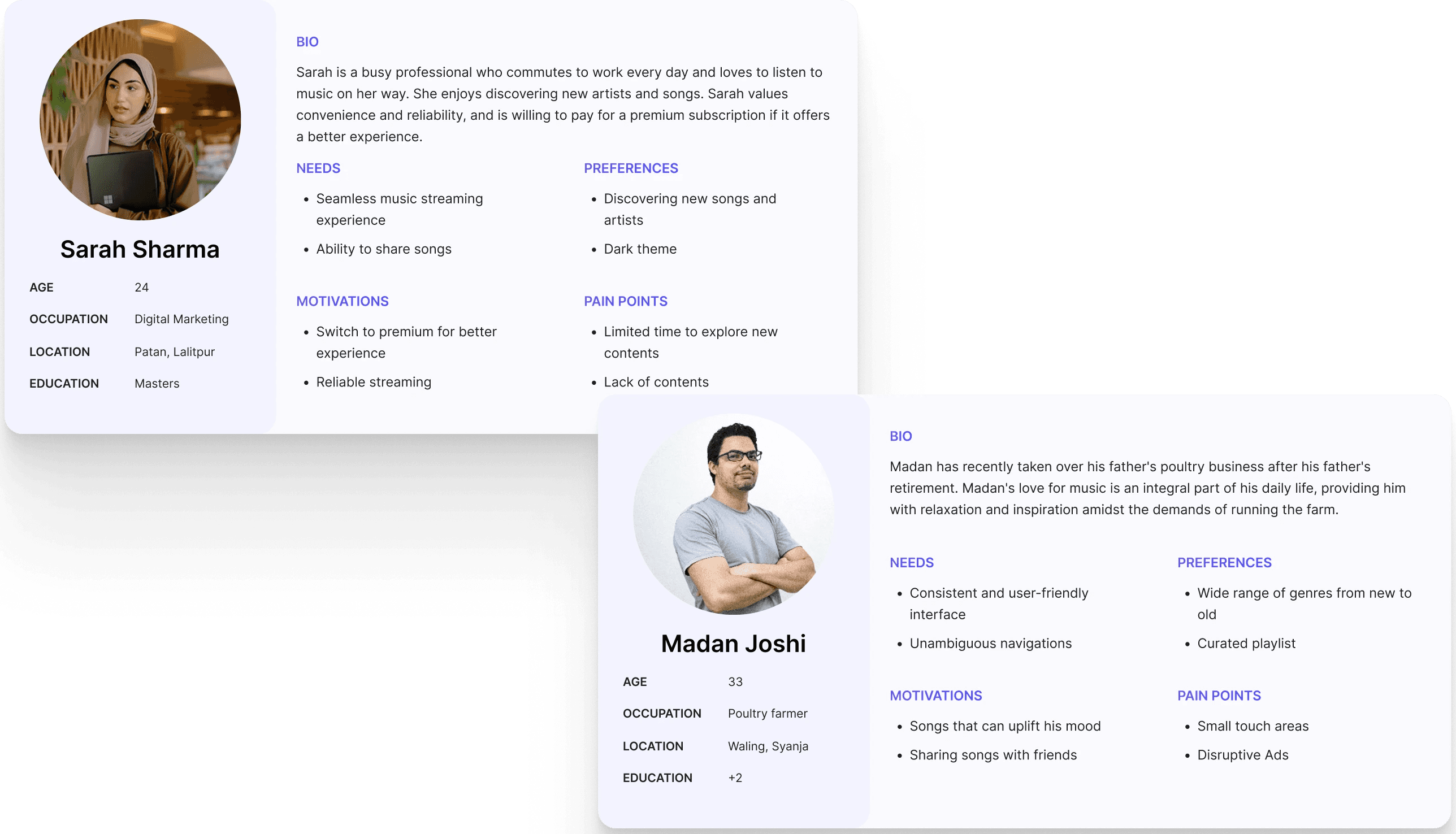
I developed thorough user personas for the various target audience categories to help me better understand the users. They helped me make design choices that were in line with the demands of the app's target users by embodying their traits, objectives, motivations, and pain areas.
The “Define” Phase
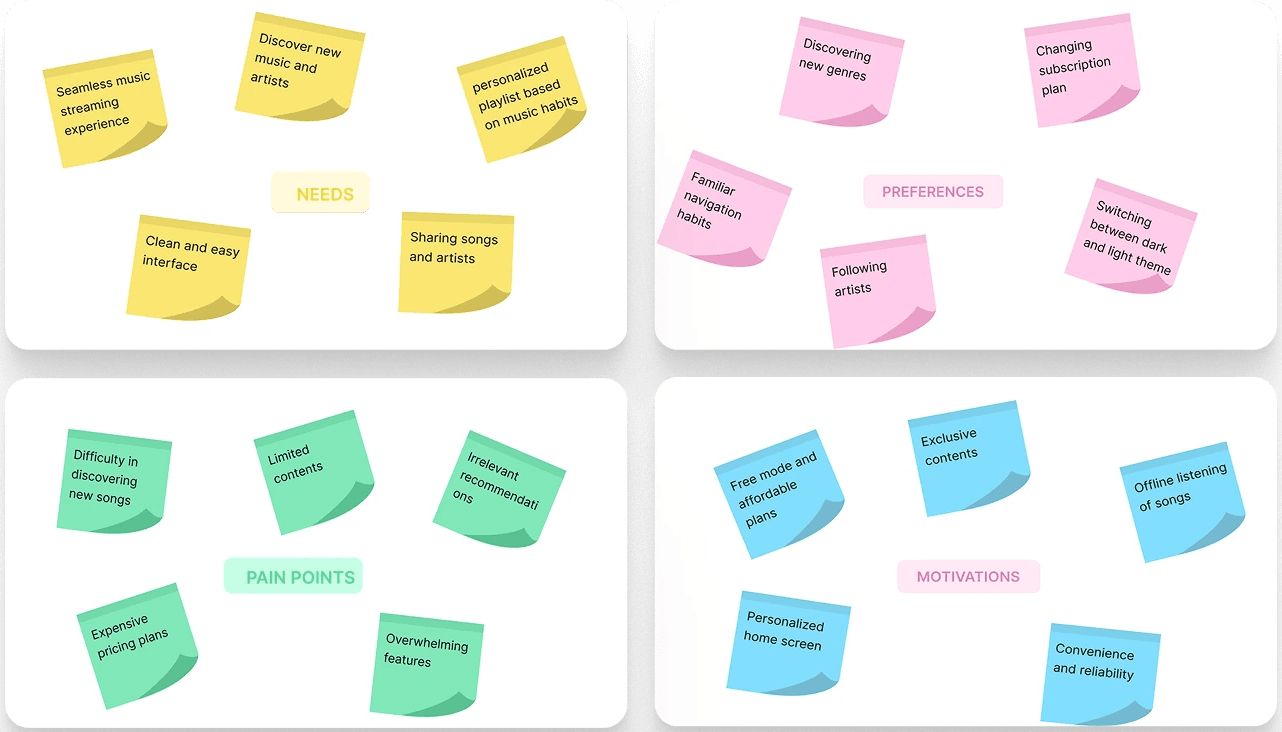
In this phase, I synthesized insights from discovery to set clear goals, user requirements, and design direction. I analyzed survey and interview data to uncover common themes, pain points, and expectations around music streaming.
User Personas
I analyzed survey and interview data to uncover common themes, pain points, and preferences. This gave me a clear understanding of user needs, motivations, and expectations for a music streaming platform.
User Journey Mapping
To translate research insights into actionable design direction, I created a user journey map outlining the stages, actions, touchpoints, and emotions of a typical music streaming experience. This visualization revealed user needs, expectations, and frustrations at each step, helping me identify opportunities for improvement and design a more engaging, user-centric flow.
I translated research insights into concrete user requirements, outlining the features, functions, and UI elements needed to meet audience expectations. Working with stakeholders, I aligned these requirements with business goals and technical feasibility, helping define project scope and priorities. This balance of user needs and organizational objectives set a clear design direction and provided a strong foundation for the Double Diamond process, ensuring the product could stand out in a competitive streaming market.
The “Design” Phase
I turned wireframes and insights into high-fidelity designs and a unified design system, ensuring a consistent and user-centered experience.
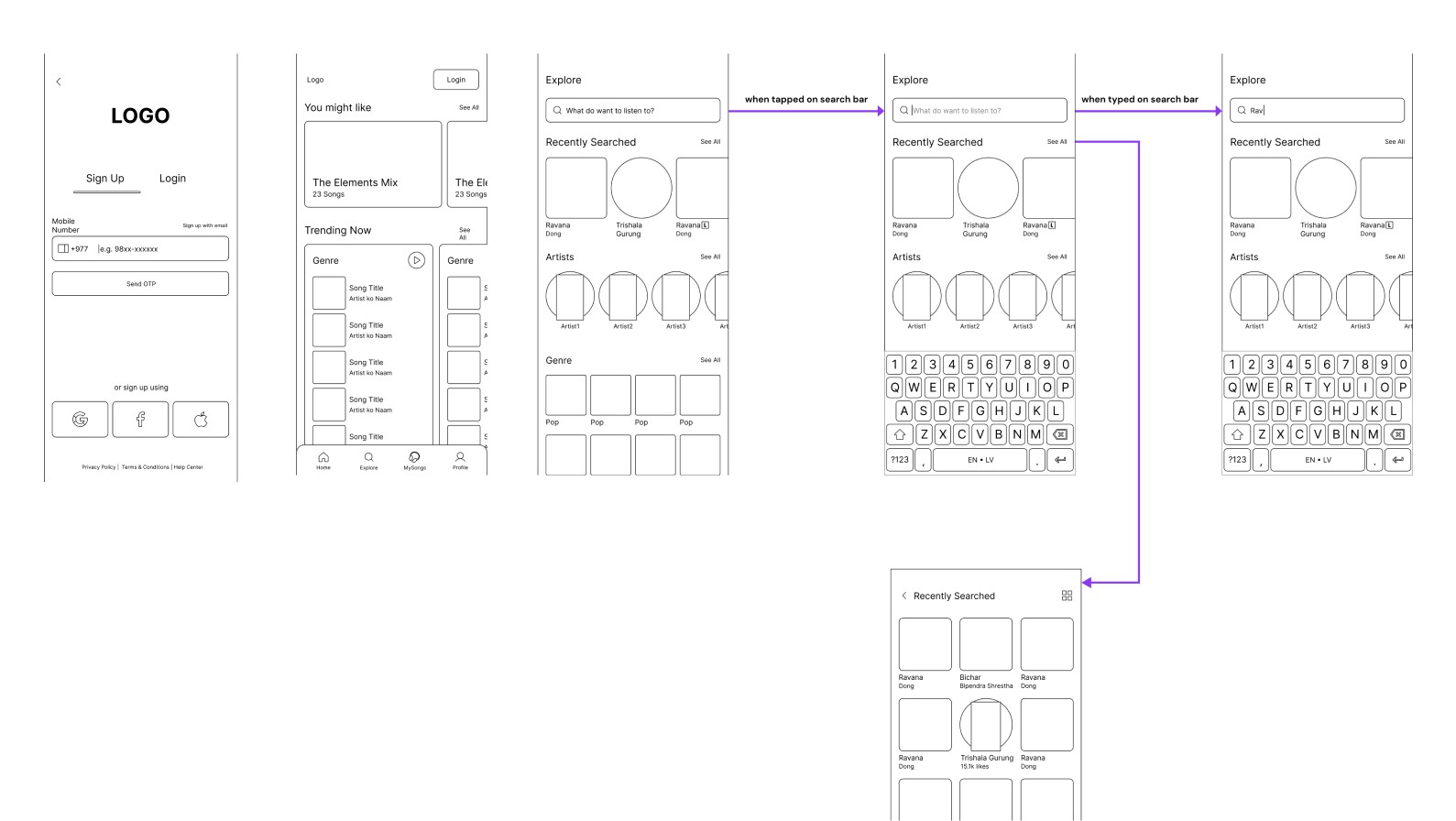
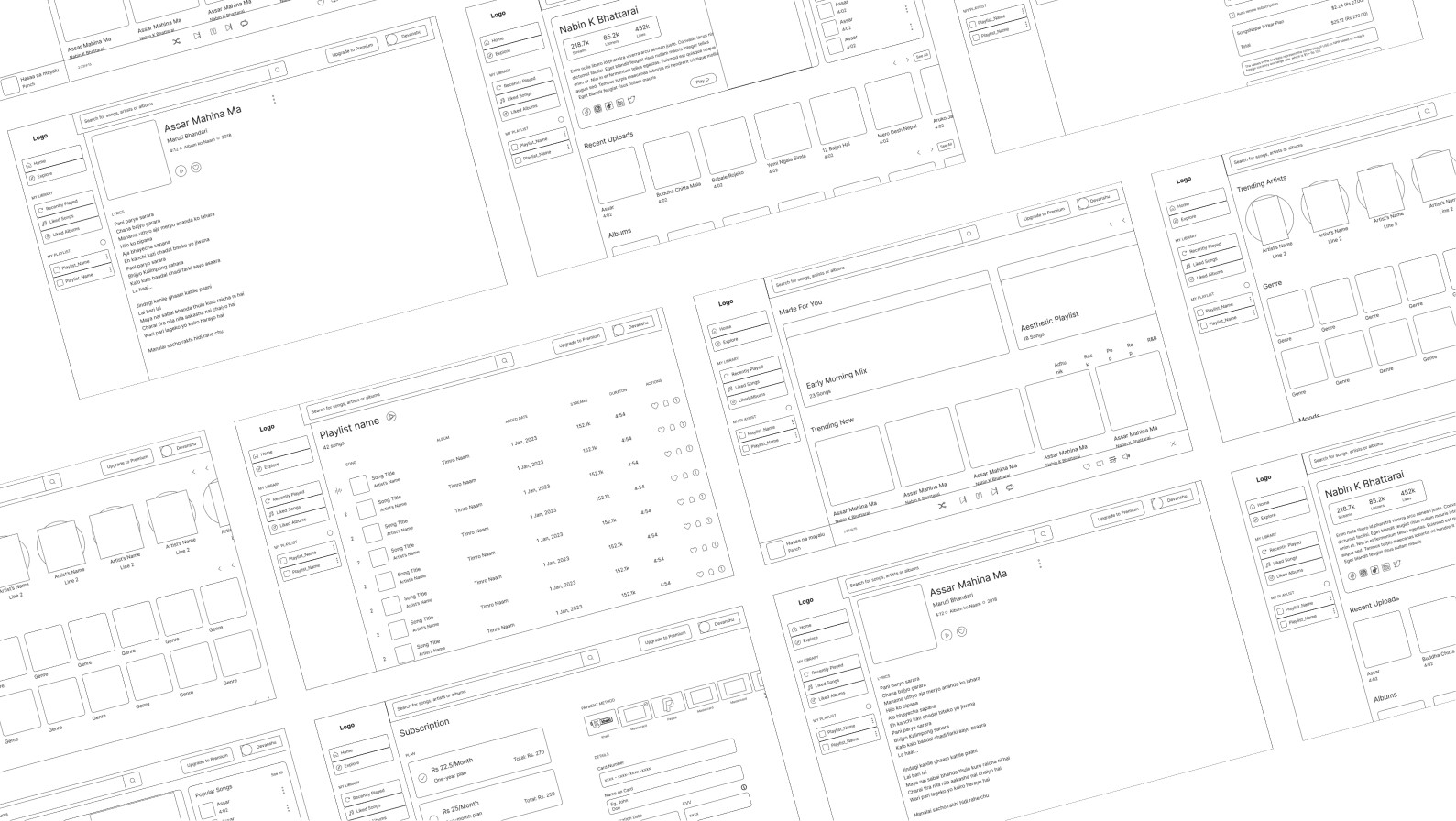
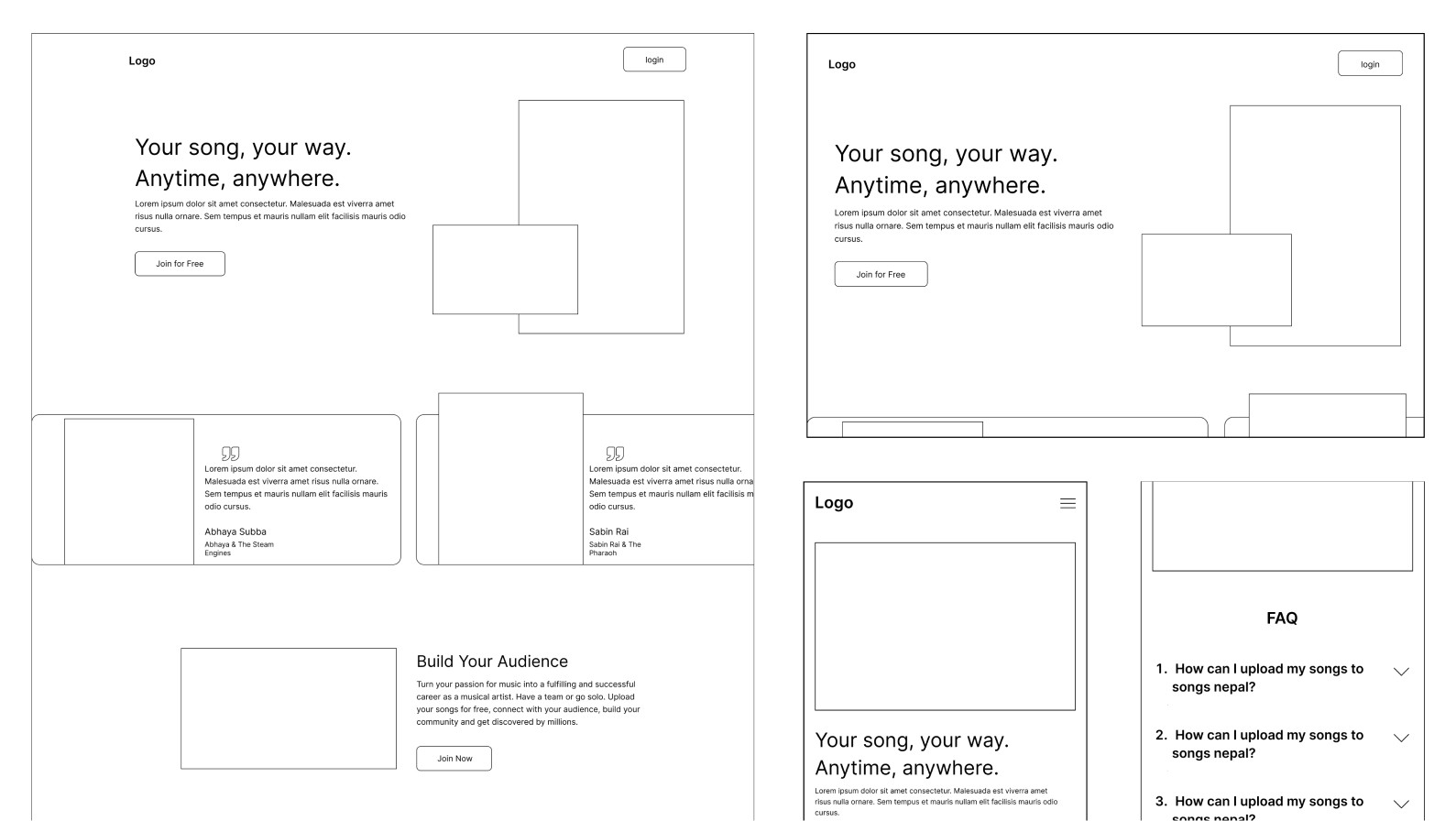
Lo-Fi Wireframes
I created low-fidelity wireframes to test navigation, structure, and core features. The focus was on layout and flow rather than visual details, ensuring a solid foundation before moving to high-fidelity design.
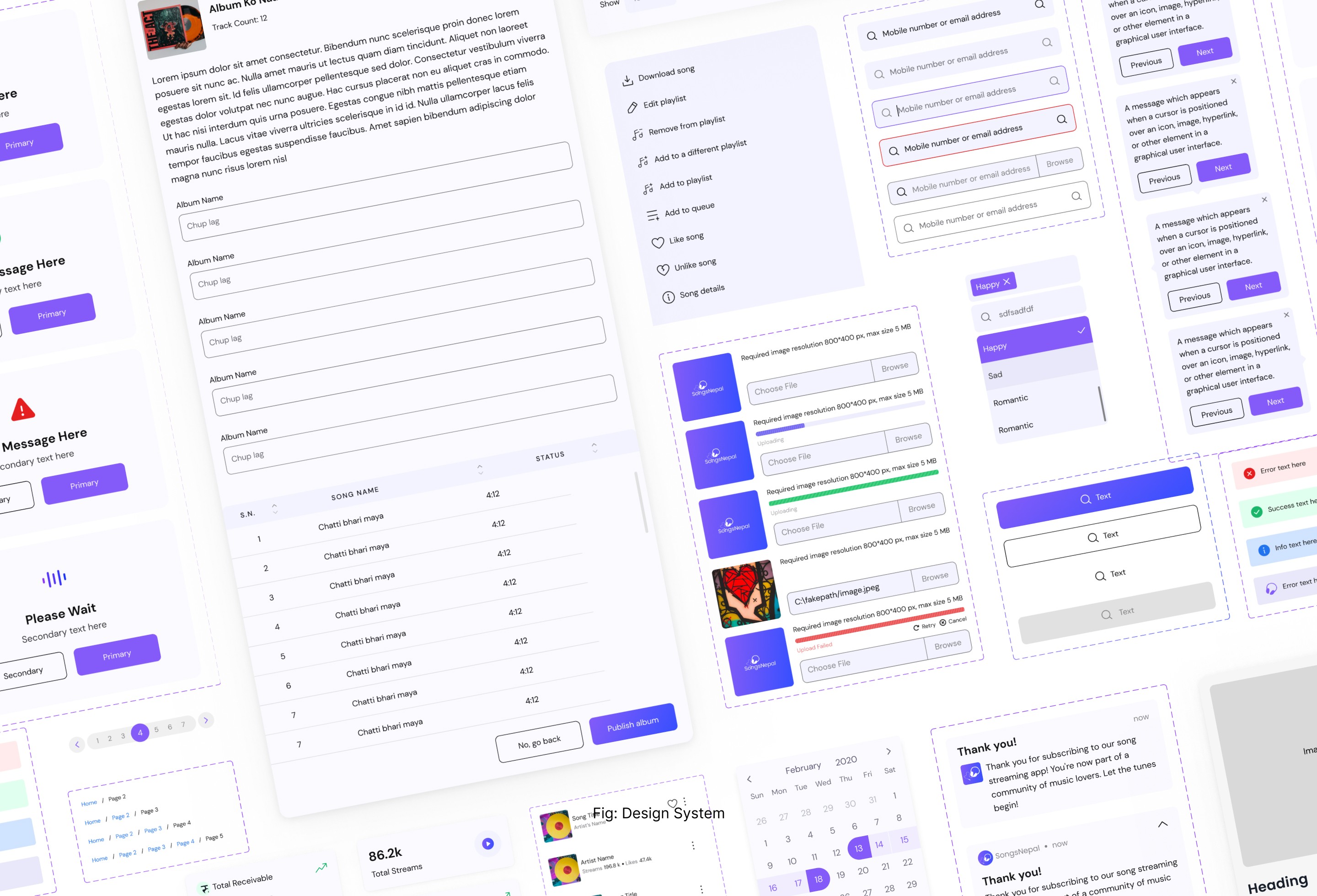
Design System
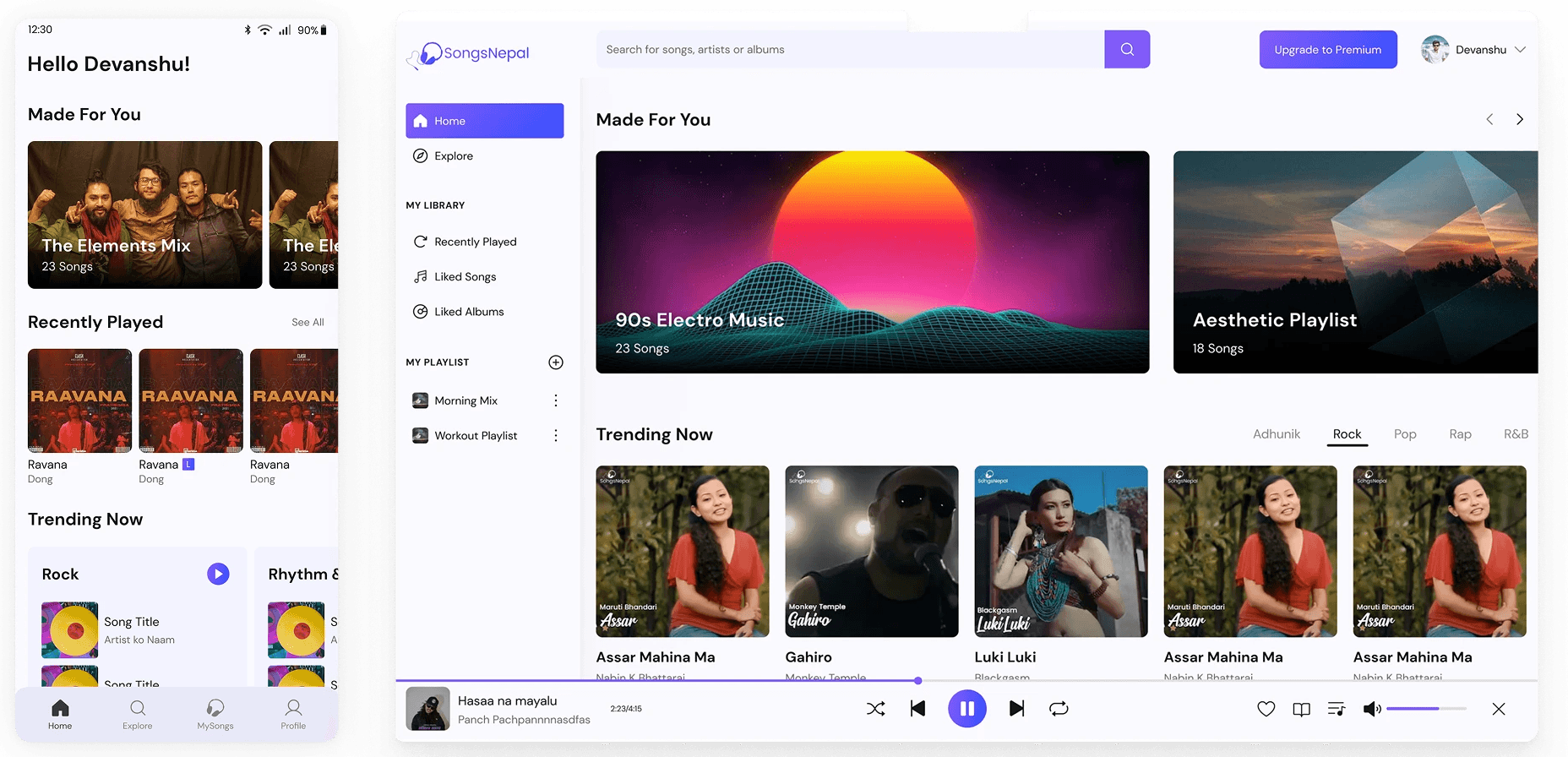
With wireframes finalized, I translated them into high-fidelity interfaces to define the app’s look and feel. I first designed a single page to test colors, typography, and components, which later evolved into a scalable design system. Colors were chosen to reflect the brand’s personality and evoke the right emotions, while typography ensured readability and consistency. Together with buttons, icons, and graphics, these elements shaped a cohesive and user-friendly interface.
I built a scalable design system by extracting colors, typography, and components from the UI. Accessibility was a priority, so I tested color contrasts to meet WCAG AA/AAA standards. The system included style guides, UI kits, and component libraries, ensuring consistency, usability, and efficiency across the product.
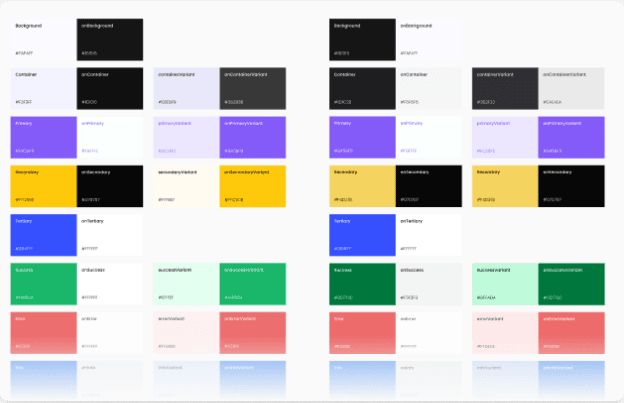
Color Scheme
The palette aims to create a visually pleasing and harmonious user experience. It helps maintain brand consistency and ensures a cohesive visual identity across the interface.
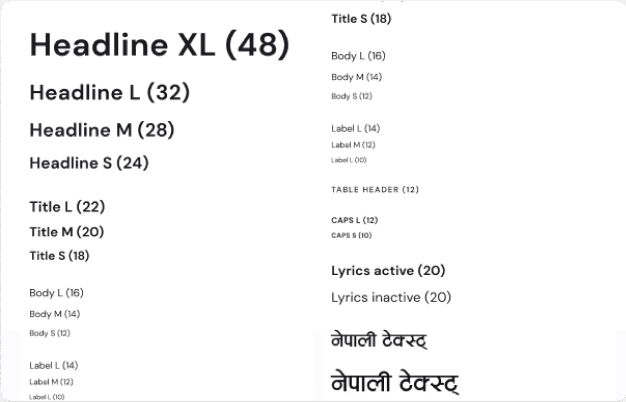
Typography
Consistent usage of font choices, placement, and typographic components. A fluid and intuitive user experience is made possible by consistent font across multiple parts and displays.
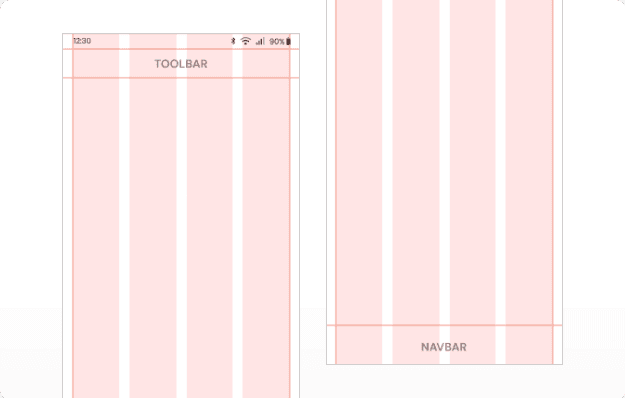
Grid System
A framework or structure that aids in the arrangement and alignment of interface elements. Assuring visual symmetry and coherence across various displays and components, it offers a uniform layout and spacing.
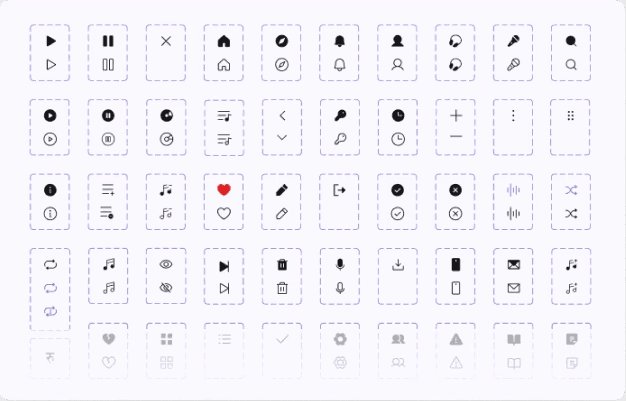
Icon Pack
Actions, objects, and concepts are represented visually by symbols or icons. Icons make the interface easier for users to understand and use. It is intended to transmit information in a condensed and instantly identifiable way, improve navigation, and give visual clues.
Interface Design
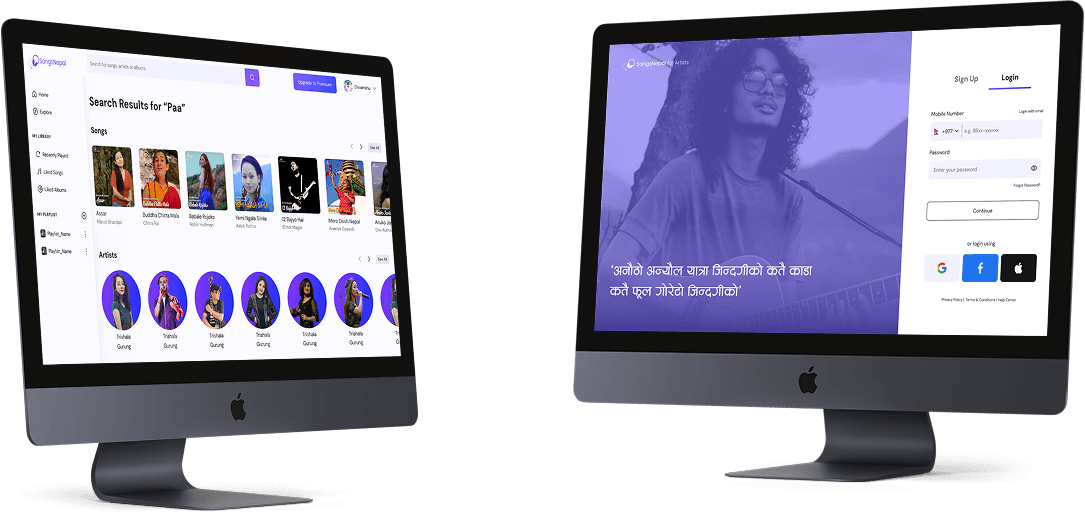
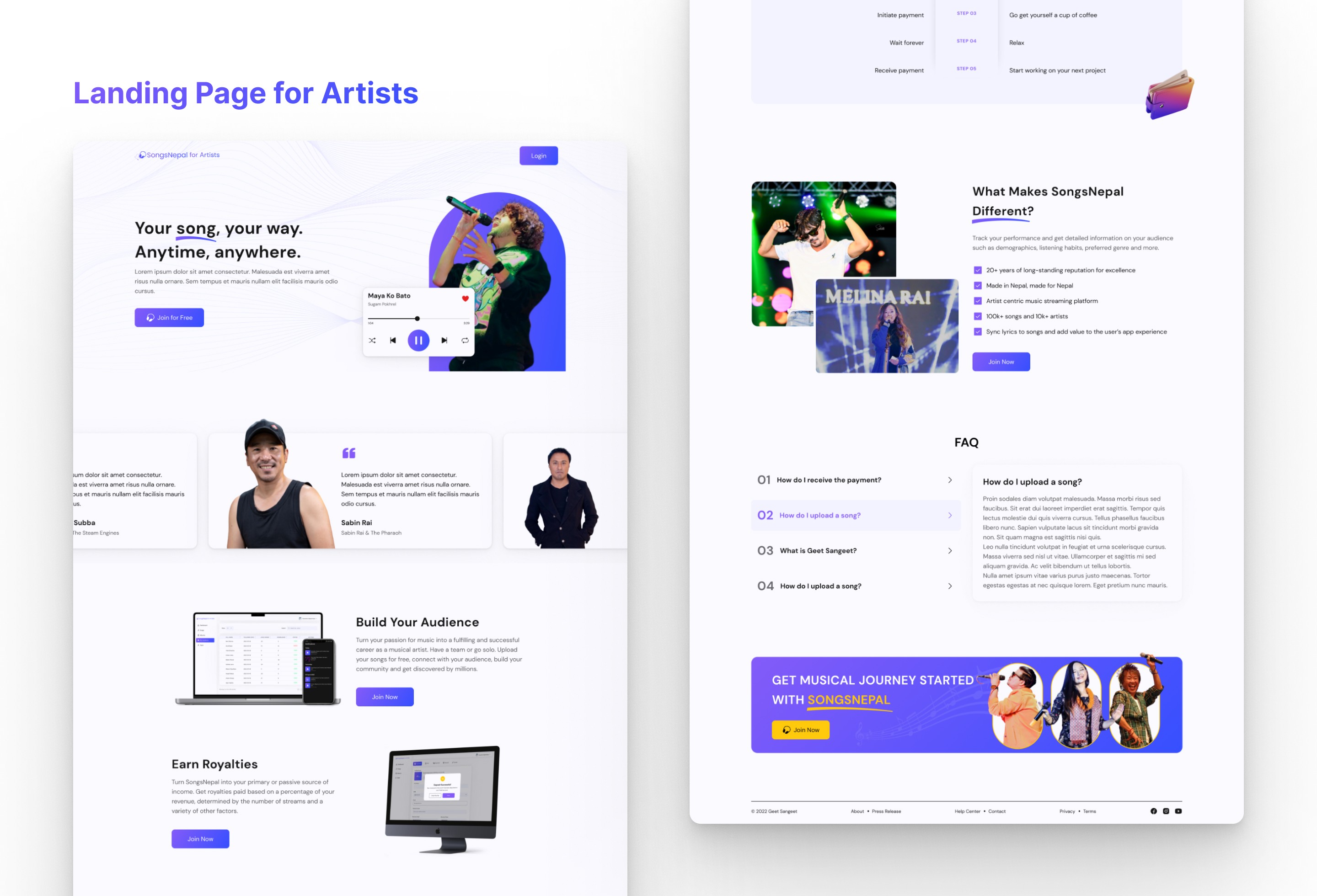
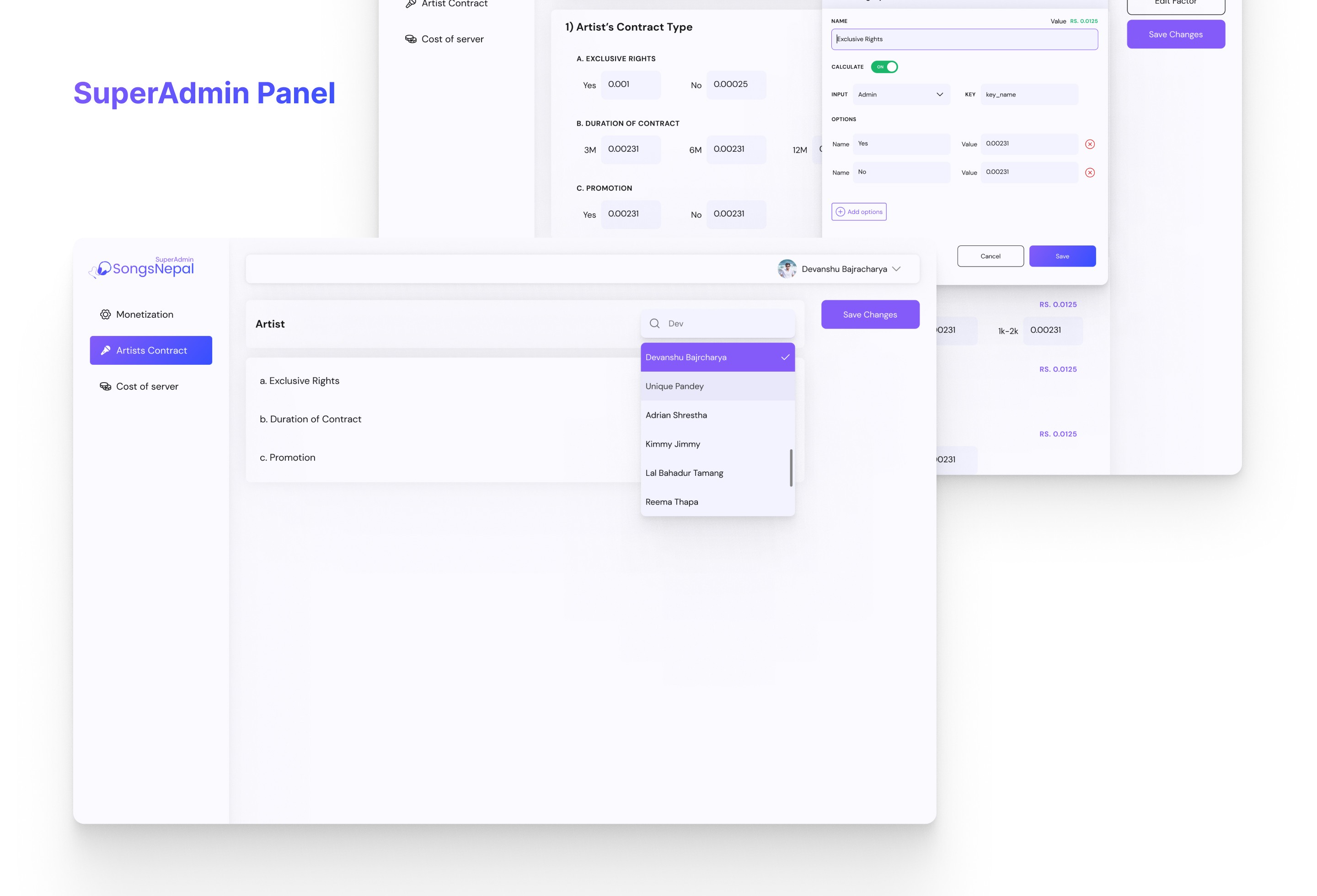
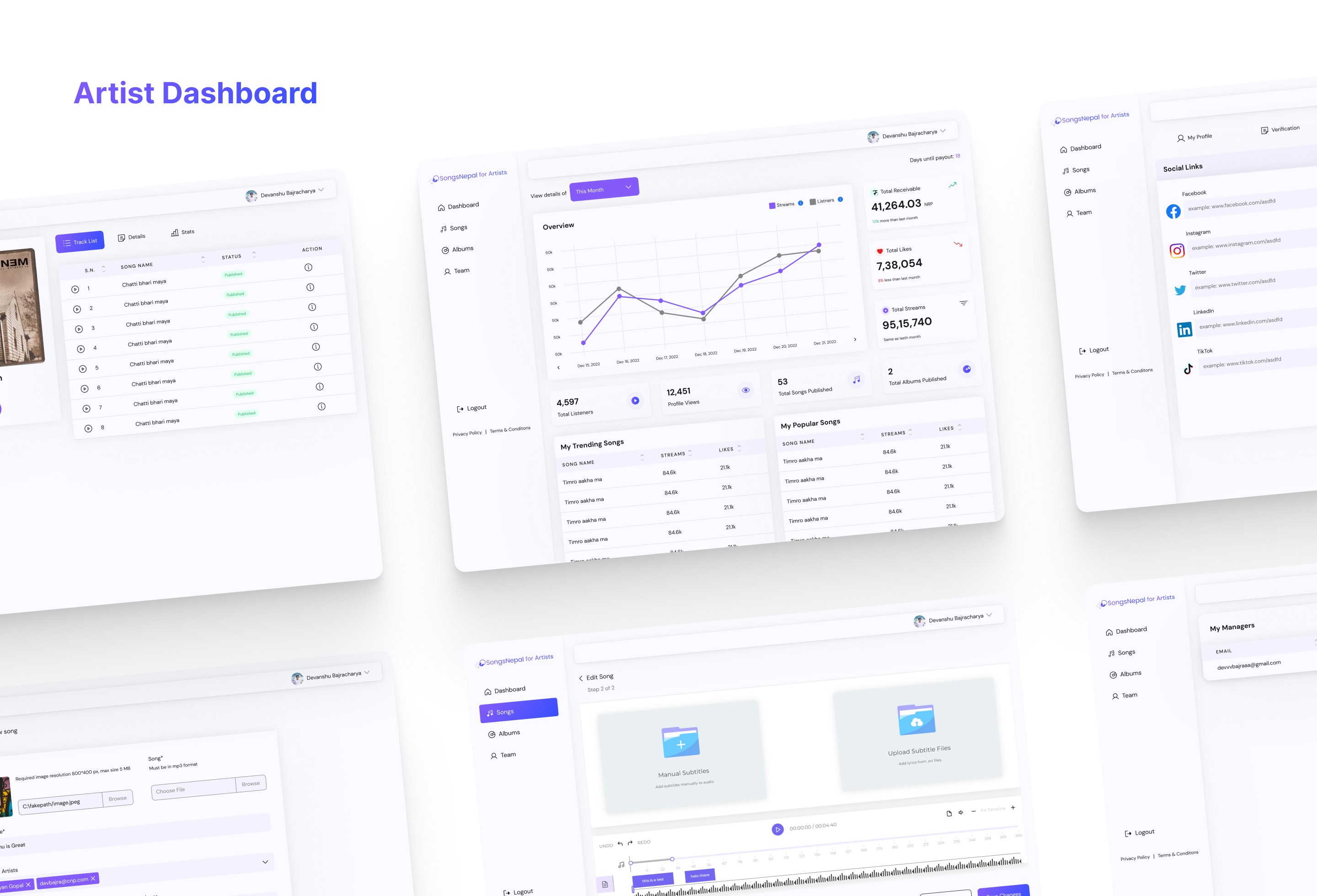
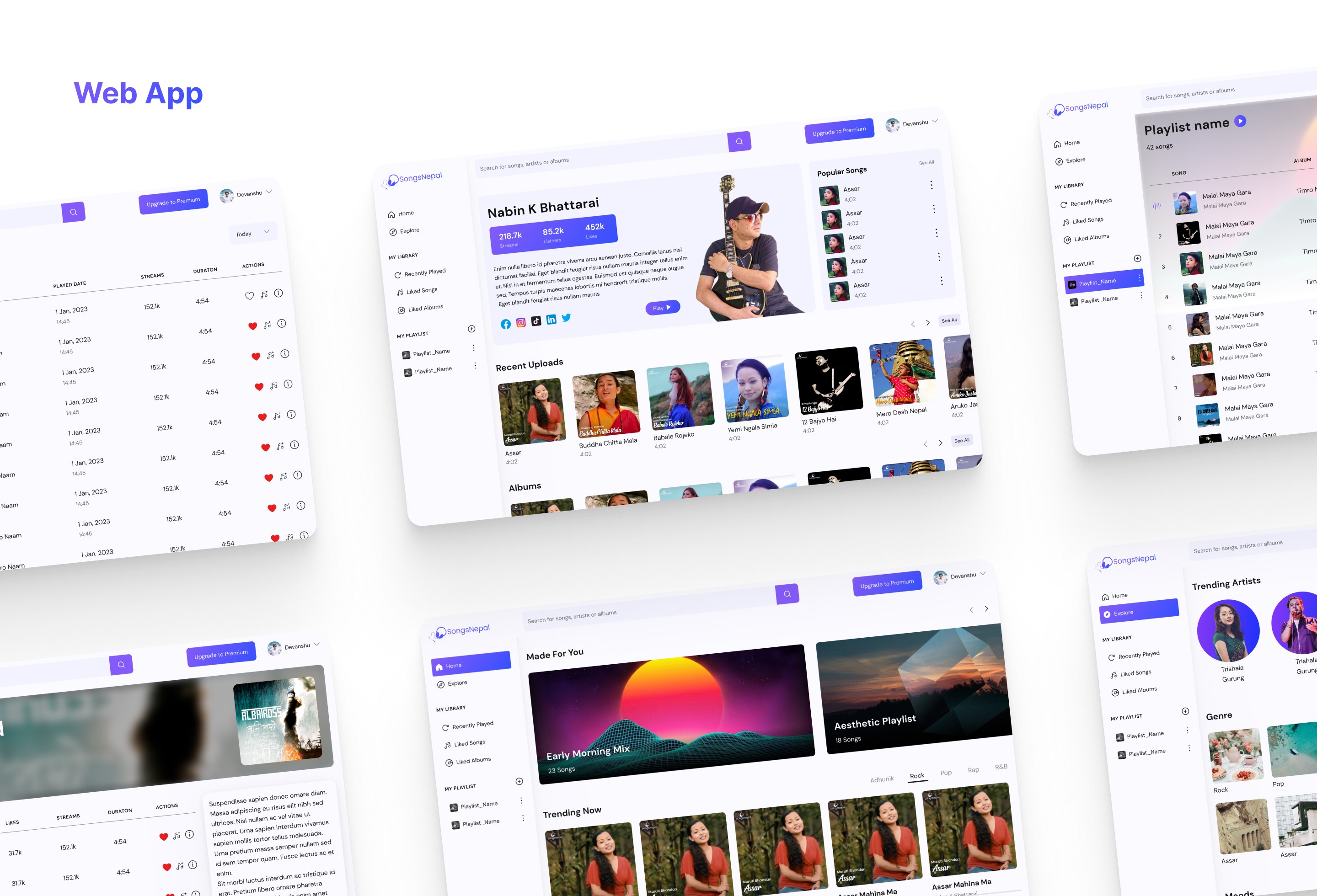
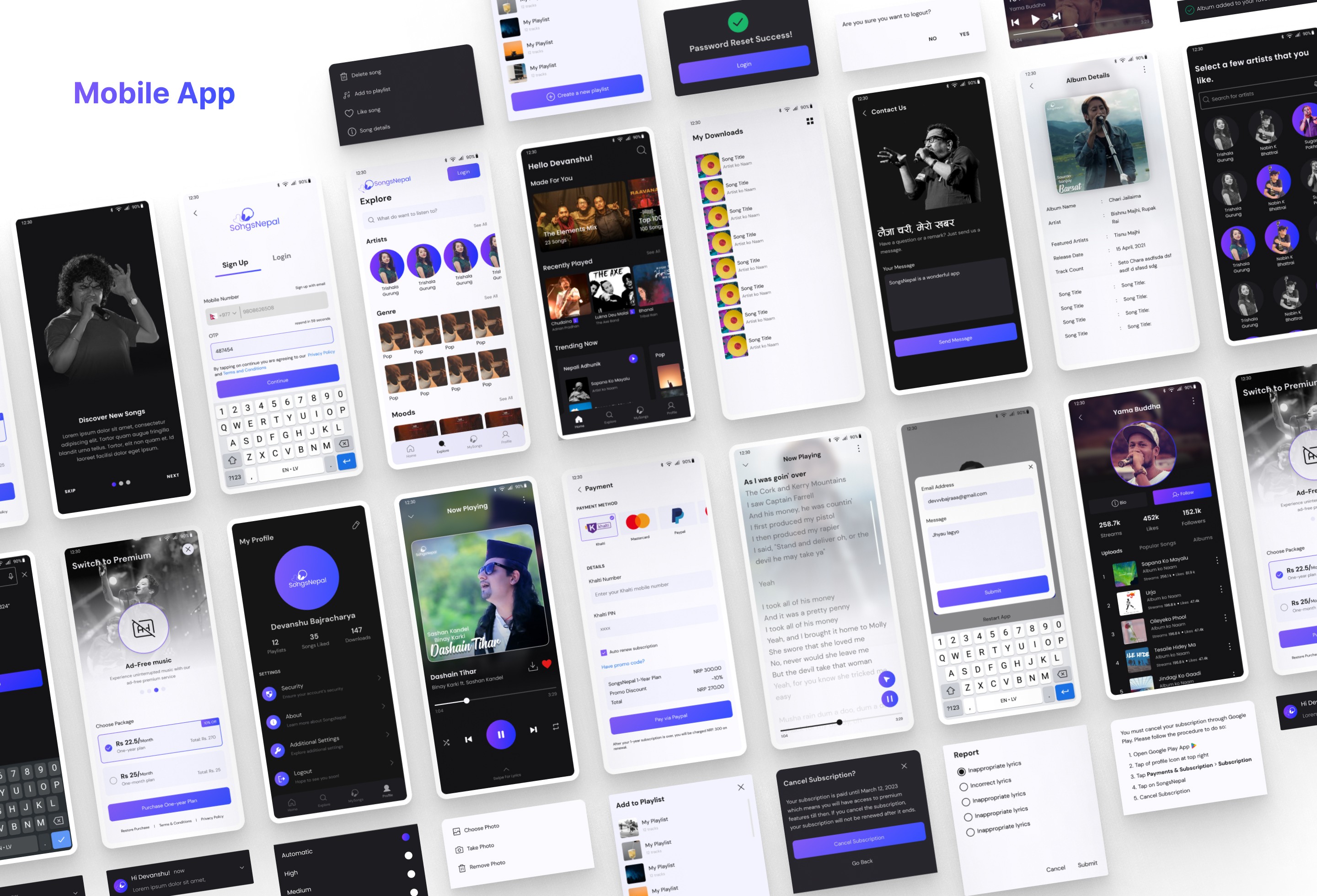
I designed the UI by aligning with the project’s visual aesthetic, brand guidelines, and design system, carefully selecting fonts, colors, and graphic elements to appeal to the target audience. Usability and intuitive interactions were central—navigation, affordance, and feedback were optimized with visual cues and clear responses to user actions.
I iterated designs based on feedback from the team, stakeholders, and potential users, ensuring the UI met project goals and user needs. Accessibility was also a priority, following WCAG standards for color contrast, typography, and alt text.
By the end, I delivered polished UI designs that guided development and ensured a cohesive, user-friendly, and visually engaging experience.
The “Deliver” Phase
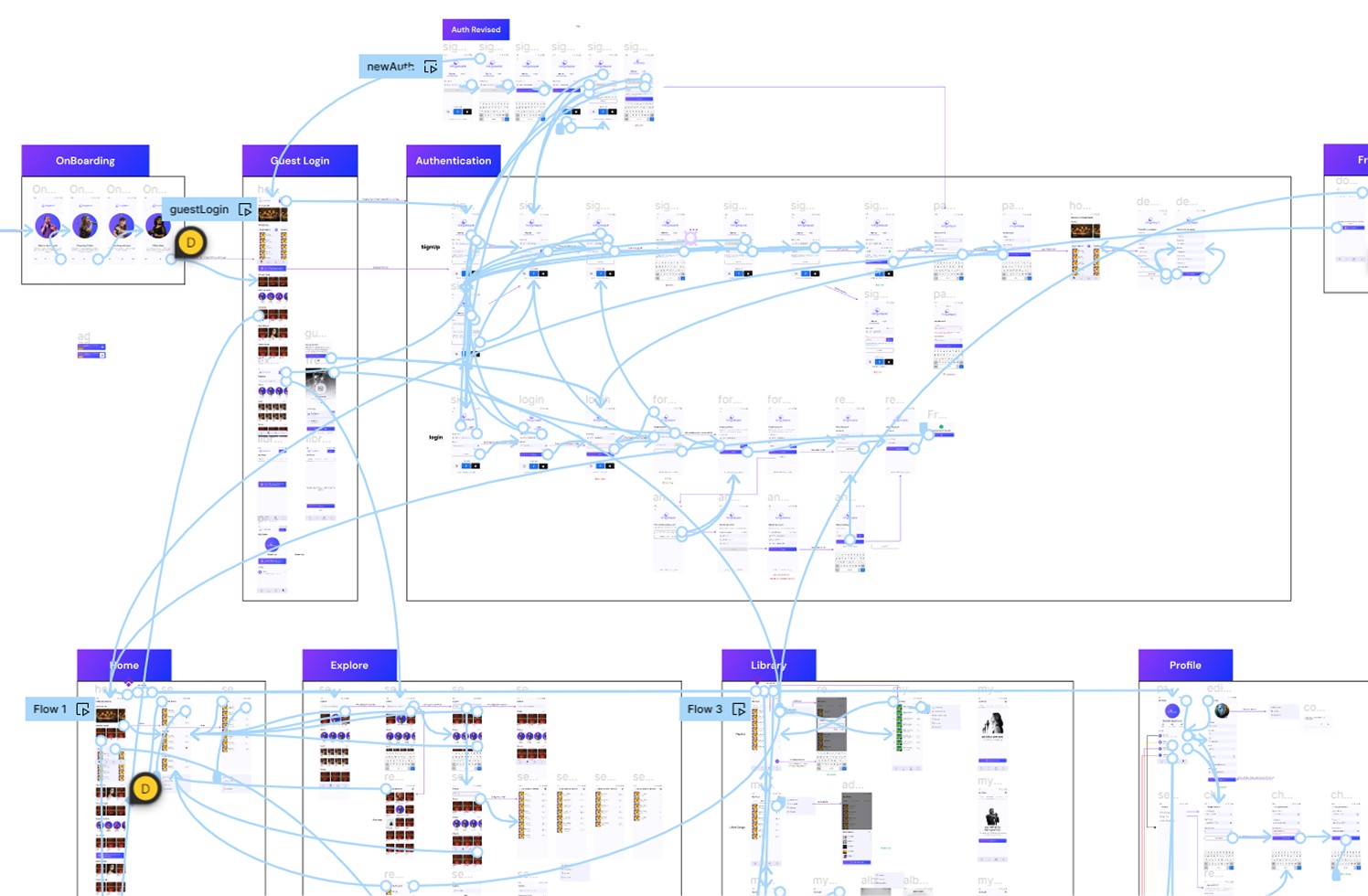
In this final phase, I translated the designs into a fully interactive prototype and worked closely with the development team to ensure smooth implementation. I conducted user acceptance testing, gathered feedback, and iterated where needed to refine the product. Seeing the final solution come to life and provide a seamless, user-friendly experience was a rewarding culmination of the project.
Conclusion
In conclusion, this UI/UX case study has illustrated the process of turning a design challenge into a creative solution. We were able to pinpoint user requirements, establish precise goals, and create a meaningful design strategy by utilizing a user-centered approach. This project serves as an example of the effectiveness of user-centric design and the team's collaborative efforts. In order to fulfill the constantly changing needs of our users, we stay committed to constantly improving and evolving our design. It has been a very inspirational trip, and I am honored to have contributed to its transformation.